Why Demo Profits Disappear in Live Trading: The Real Difference Between Backtesting and Real Markets
Tue Feb 24 2026
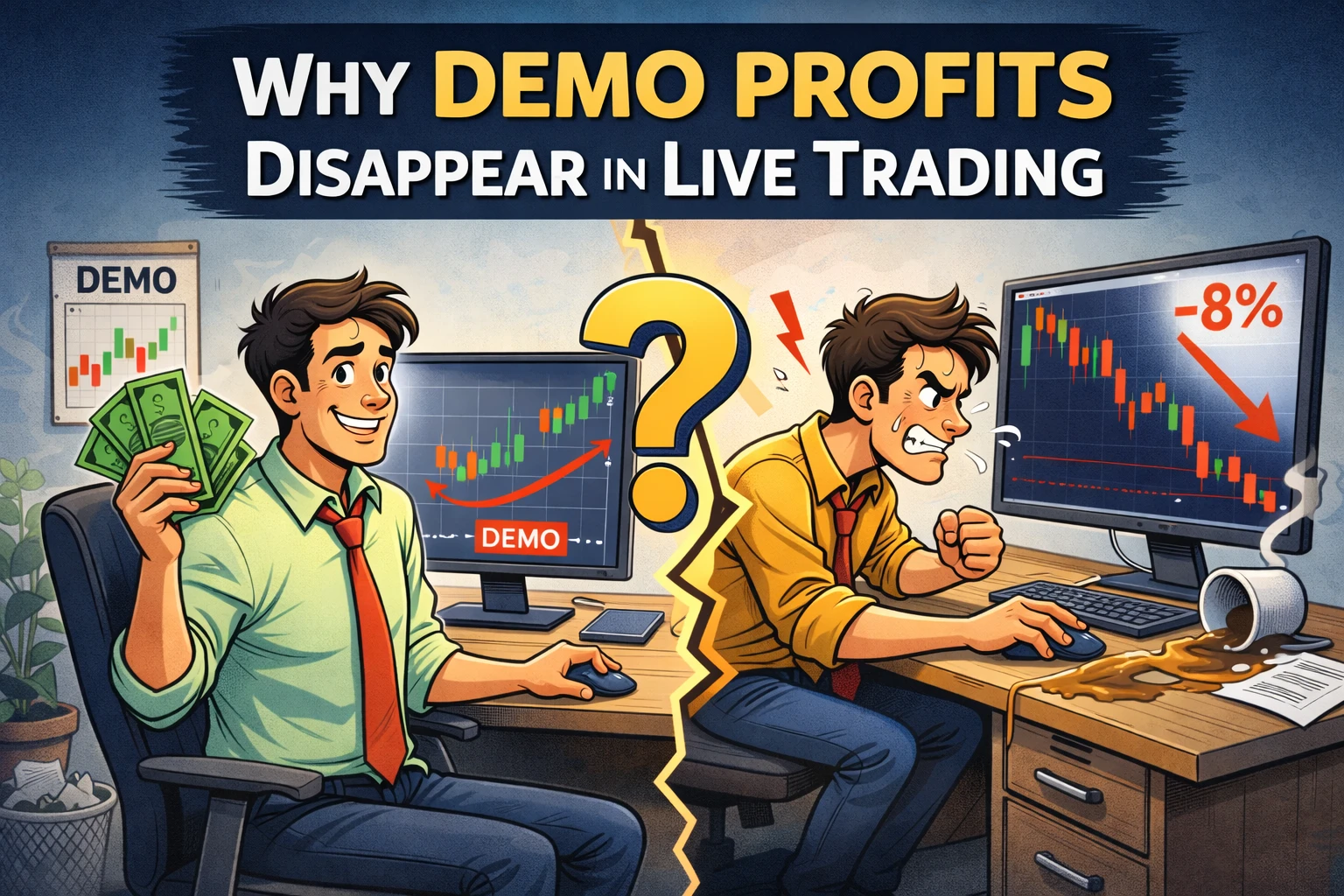
Many traders experience strong performance in a demo account or during historical backtesting — only to struggle once they begin trading with real capital.
This gap is not accidental.
It exists because live markets introduce psychological pressure, execution friction, liquidity shifts, volatility expansion, and financial risk — factors that are largely absent in simulated environments.
Understanding this difference is essential for long-term capital preservation and professional trading development.
Why Demo Trading Feels Easier Than Live Markets
Demo trading removes the most powerful variable in financial decision-making: real financial risk.
When capital is not exposed, behavior changes significantly.
1. No Real Money at Risk
In a demo account:
- Losses do not affect personal finances
- Traders feel no pressure to protect capital
- Risk tolerance becomes artificially high
From a behavioral finance perspective, this eliminates loss aversion, one of the strongest psychological biases in trading.
In live trading, even small drawdowns can trigger stress-based decisions.
2. No Emotional Pressure
Without financial exposure:
- Traders feel relaxed
- Decision-making remains objective
- There is no fear of loss
In contrast, live trading introduces:
- Fear of losing money
- Greed after winning trades
- Stress during drawdowns
These emotional forces influence execution quality.
This emotional journey links closely to how traders evolve over time — as explained in The 5 Stages of Becoming a Profitable Forex Trader( https://tradetogether.in/articles/5-stages-of-a-profitable-forex-trader ) which maps psychological phases from beginner luck to disciplined professional.
3. No Execution Hesitation
In demo environments, traders often:
- Enter trades instantly
- Follow strategy rules easily
- Execute without second-guessing
In live markets, hesitation becomes common:
- Fear of entering a trade
- Delayed execution
- Missing valid setups
Execution discipline is easier without financial pressure.
4. Limited Impact of Spread and Slippage
Demo conditions may not fully reflect:
- Real market spreads
- Slippage during volatility
- Execution delays
In live markets — particularly during London and New York sessions — execution quality directly affects performance.
5. Overconfidence Develops Quickly
Strong demo performance can create:
- Unrealistic expectations
- Excessive risk-taking
- Premature transition to live trading
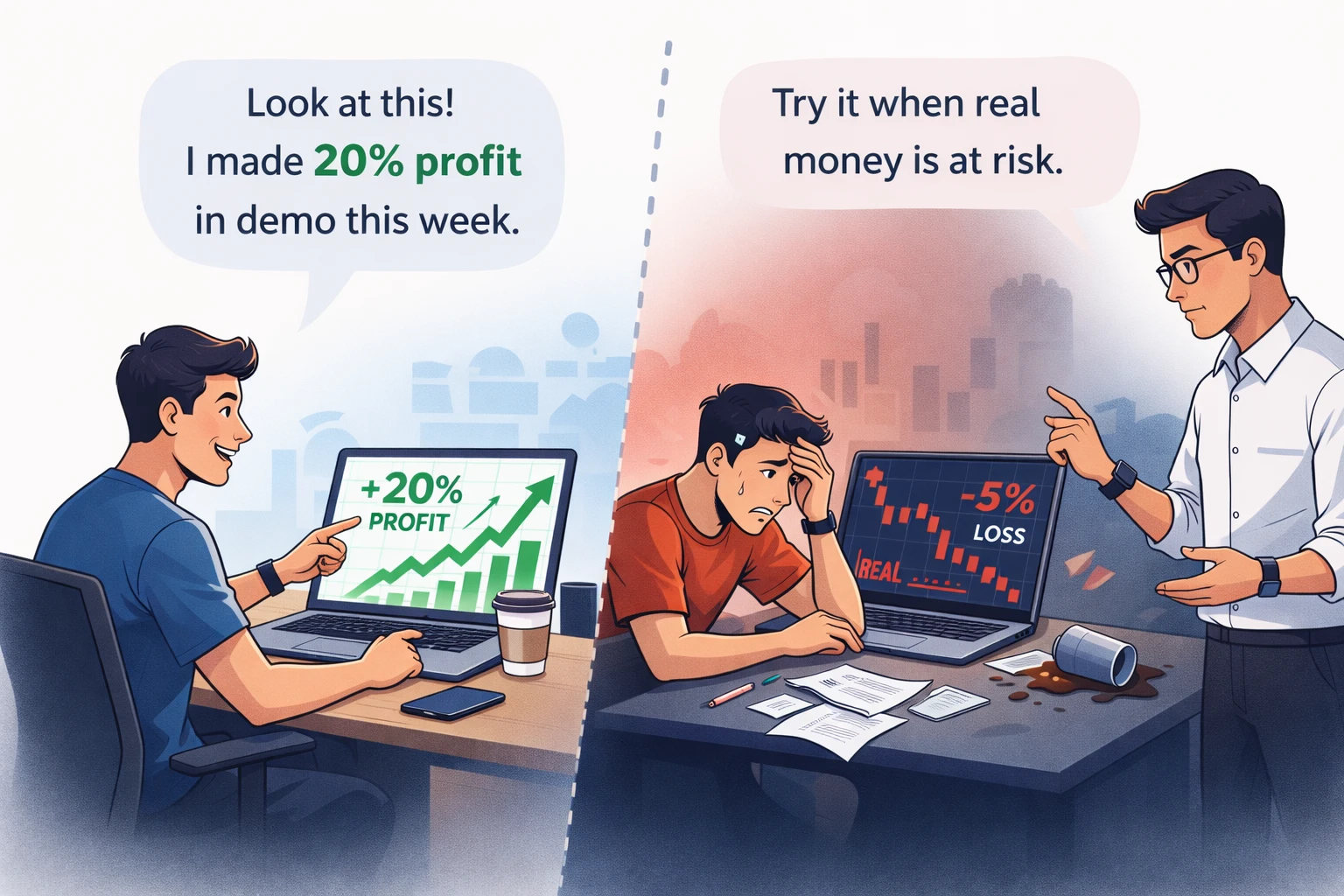
When money is not at risk, trading feels controlled. When capital is exposed, it becomes psychologically demanding.
Why Backtesting Often Looks “Perfect”
Backtesting is a valuable analytical process when used responsibly. However, it does not replicate real-time uncertainty.
1. Hindsight Bias
When reviewing historical charts:
- The outcome is already known
- Trade setups appear obvious
- Market structure looks clearer
In live trading, uncertainty dominates. Backtesting removes ambiguity because the outcome is already known.
2. Selective Trade Filtering
During manual backtesting, traders often:
- Focus on ideal setups
- Ignore ambiguous conditions
- Skip trades that would likely lose
This introduces selection bias.
In live markets, traders must operate in imperfect conditions.
3. No Real Execution Friction
Backtesting frequently ignores:
- Spread costs
- Slippage
- Execution delays
For example:
A strategy targeting 10 pips per trade may appear profitable historically. However, if spread and slippage average 3–4 pips in live conditions, the statistical edge declines significantly.
4. Curve Fitting
Curve fitting occurs when traders overly optimize a strategy to match past data.
Examples include:
- Adjusting parameters repeatedly to improve historical performance
- Designing strategies that only work in specific datasets
- Ignoring changing market conditions
Markets evolve over time.
A strategy optimized for one market condition may underperform in another.
Demo vs Backtest vs Live Trading: Structural Differences
| Factor | Backtesting | Demo Trading | Live Trading |
|---|---|---|---|
| Market Data | Historical data | Real-time data | Real-time data |
| Outcome Knowledge | Outcome already known | Outcome unknown | Outcome unknown |
| Emotional Pressure | None | Very low | High |
| Financial Risk | None | None | Real capital at risk |
| Execution Quality | Simulated fills | Mostly ideal execution | Real market execution |
| Spread Impact | Often ignored | Minimal impact | Fully present |
| Slippage | Rarely simulated | Rare | Common during volatility |
| Market Uncertainty | Removed | Present | Present |
This comparison explains why demo and backtest success does not automatically translate into live profitability.
Why Live Markets Break Trading Strategies
Live markets introduce complexity beyond technical analysis.
1. Fear and Greed
Fear leads to:
- Closing trades too early
- Avoiding valid setups
- Reducing position sizes excessively
Greed leads to:
- Holding trades longer than planned
- Increasing risk after winning trades
- Ignoring exit rules
Professional trading requires probabilistic thinking rather than emotional reaction.
This psychological dynamic connects directly with transactional mistakes like emotional exits and impulsive overtrading — topics related to the risks of overtrading and impulsive decisions( https://tradetogether.in/articles/overtrading-forex-one-trade-per-day-mistake ) that often destroy disciplined plans.
2. Stop-Loss Manipulation
Moving stop-loss further away or removing it completely destroys risk discipline.
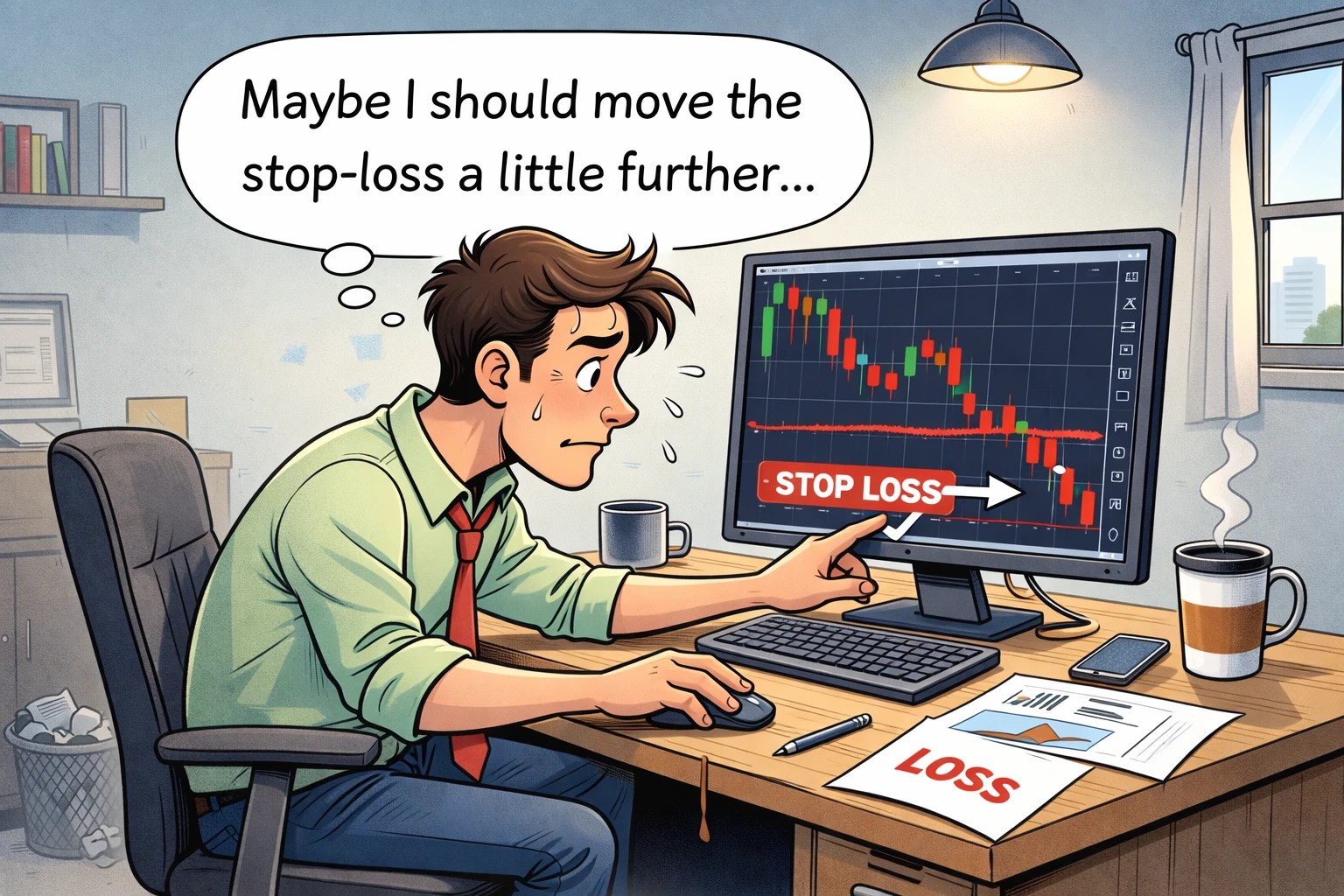
Even a system with a statistical edge fails if risk discipline collapses.
3. Revenge Trading and Overtrading
After consecutive losses, traders often:
- Increase position sizes
- Enter trades without valid setups
- Attempt to recover losses quickly
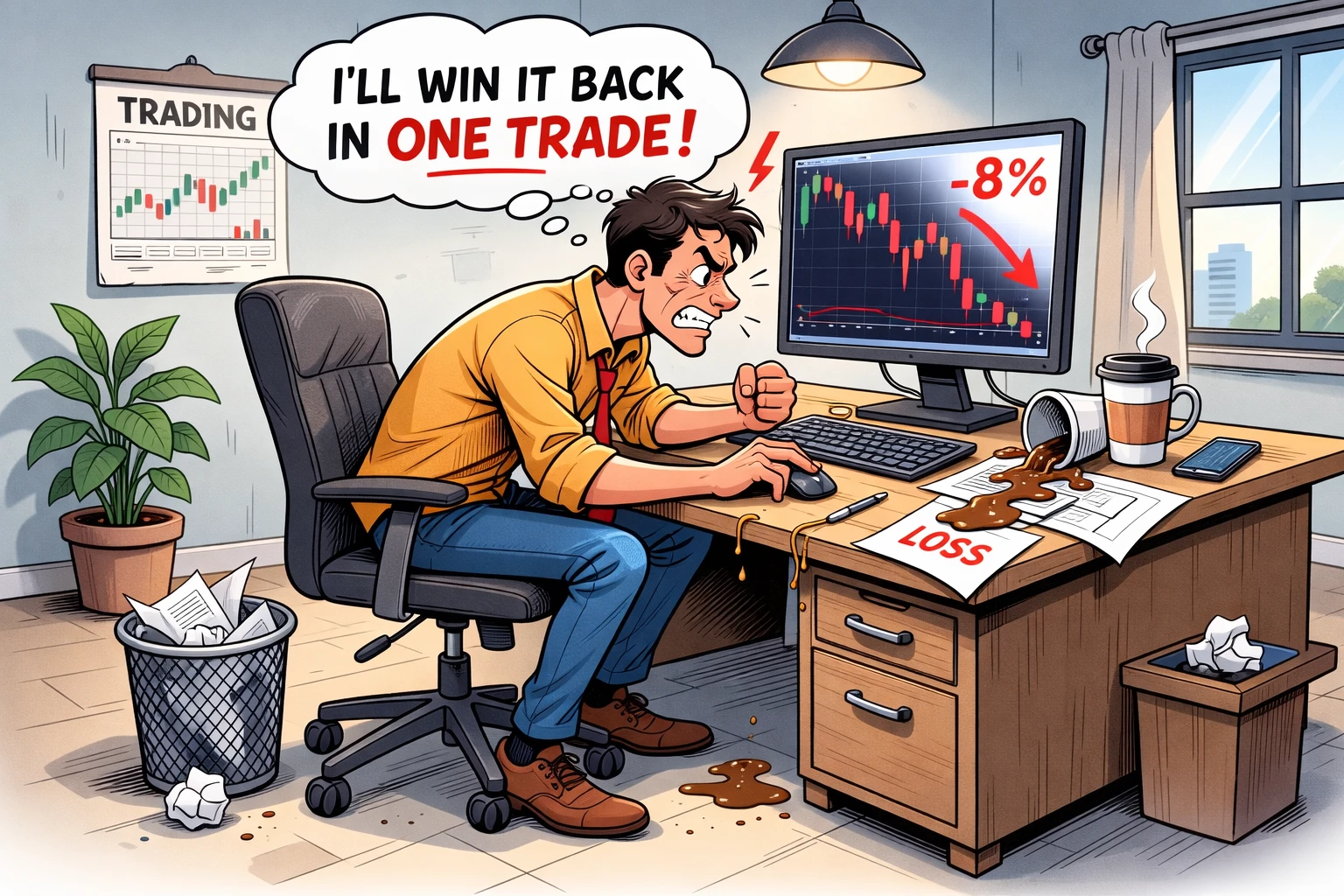
This accelerates drawdowns and destabilizes performance.
4. News Volatility and Liquidity Shifts
Live markets respond to:
- Economic data releases
- Central bank announcements
- Unexpected geopolitical events
Volatility expansion can:
- Trigger rapid price spikes
- Cause spreads to widen
- Increase slippage
Backtesting rarely captures the psychological pressure of real-time macroeconomic releases.
5. Changing Market Regimes
Markets cycle between:
- Trending environments
- Range-bound conditions
- High volatility periods
- Low liquidity phases
Strategies perform differently across regimes.
Adaptability and risk control are more important than precision.
How to Transition from Demo to Live Trading Safely
The solution is structured development.
1. Forward Test in Real-Time Demo
After backtesting:
- Trade the strategy in live market conditions
- Observe execution quality
- Verify strategy consistency
Consistency matters more than short-term profit.
2. Begin With Small Position Sizes
When transitioning to live trading:
- Use minimal risk per trade
- Focus on execution quality
- Protect capital during the learning phase
Capital preservation is the primary objective.
3. Apply Strict Risk Management
Each trade should include:
- Defined stop-loss
- Proper position sizing
- Clear exit rules
Think in long-term probability distributions rather than single trade outcomes.
4. Maintain a Trading Journal
Track:
- Trade entries and exits
- Strategy adherence
- Emotional state during trades
- Performance metrics
Journaling improves execution consistency.
5. Accept Drawdowns as Normal
Even profitable systems experience:
- Losing streaks
- Temporary performance declines
- Market adaptation periods
Inability to tolerate drawdowns often leads to rule-breaking.
6. Follow a 3–6 Month Consistency Rule
Before increasing capital:
- Demonstrate consistent execution
- Maintain disciplined risk management
- Confirm strategy stability
Consistency precedes scaling.
Key Lessons for Serious Traders
- Trading is decision-making under uncertainty — not prediction
- Risk management matters more than entry precision
- Psychological discipline determines long-term survival
- Strategy consistency is more important than short-term profits
- Adaptability is necessary because markets change regimes
- Execution discipline separates professionals from beginners
Trading is structured decision-making under uncertainty — not prediction.
Frequently Asked Questions
1. Is demo trading useless?
No. Demo trading helps build platform familiarity and rule-based execution. However, it does not simulate emotional pressure.
2. How long should I demo trade before going live?
There is no universal rule, but several months of consistent execution is more important than short-term profit.
3. Why does my strategy work in backtesting but fail live?
Common reasons include curve fitting, ignoring spread and slippage, emotional interference, and changing volatility regimes.
4. Should I increase risk after strong demo performance?
No. Live risk should remain conservative and structured regardless of demo success.
Conclusion
The difference between demo trading, backtesting, and live trading is not intelligence.
It is financial exposure, psychological response, execution friction, and market uncertainty.
Backtesting and demo trading are development tools — not proof of profitability.
Professional traders prioritize capital preservation, disciplined execution, and long-term probabilistic thinking.
This content is for educational purposes only and does not constitute financial advice. Trading involves risk, and capital loss is possible.

Written by
Trade Together Research
Trade Together Research is a professional market analysis team providing forex, gold, and crypto trading insights, technical analysis, and educational guides.. Learn more about our research team on the About page.