Forex Foundations Masterclass

What Is Forex? A Beginner’s Guide to How the Foreign Exchange Market Really Works

What Is Forex, How Currency Pairs Work & How Exchange Rates Are Formed. Forex Course for Beginners – Chapter 1
Start your Forex journey with a complete foundation. Understand currency pairs, exchange rates, market psychology, and how prices truly move.

How Forex Trading Works Inside Your Account: Lots, Leverage, Margin & Real Risk Explained - Chapter 2
Before you place your next trade, understand how margin level, leverage and forced liquidation really work. View full analysis.

How to Start Forex Trading Safely for Beginners Using Demo, Real & Funded Accounts – Complete Starter Guide - Chapter 3
Should beginners start forex with a demo account, small real account, or funded challenge? Discover the safest path, key risk differences, and what most new traders misunderstand before placing their first trade.

Is Forex Centralized or Decentralized? OTC Market Structure Explained for Beginners - Chapter 4
Confused about whether forex is centralized or decentralized? Learn how the OTC forex market works, how it differs from NSE and NYSE, and why market structure matters for risk management and execution.

How Forex Brokers and Funded Firms Make Money: Execution Models and Evaluation Business Explained - Chapter 5
How do forex brokers really make money? Learn A-book vs B-book execution, funded firm evaluation models, and what traders must understand about risk, regulation, and transparency.

How to Choose the Right Forex Trading Style for Your Personality and Risk Profile (Scalping vs Intraday vs Swing vs Position) – Chapter 6
Not sure whether scalping, intraday, swing, or position trading suits you? Discover the pros, risks, time commitment, and psychology behind each forex trading style before you choose.

How Banks and Institutions Trade Forex: Capital Allocation, Regulation and Retail Lessons Explained (Advanced Guide) - Chapter 7
How do banks actually trade the forex market? Learn how institutions allocate capital, manage risk, and position around macro trends — plus the key lessons retail traders should understand.
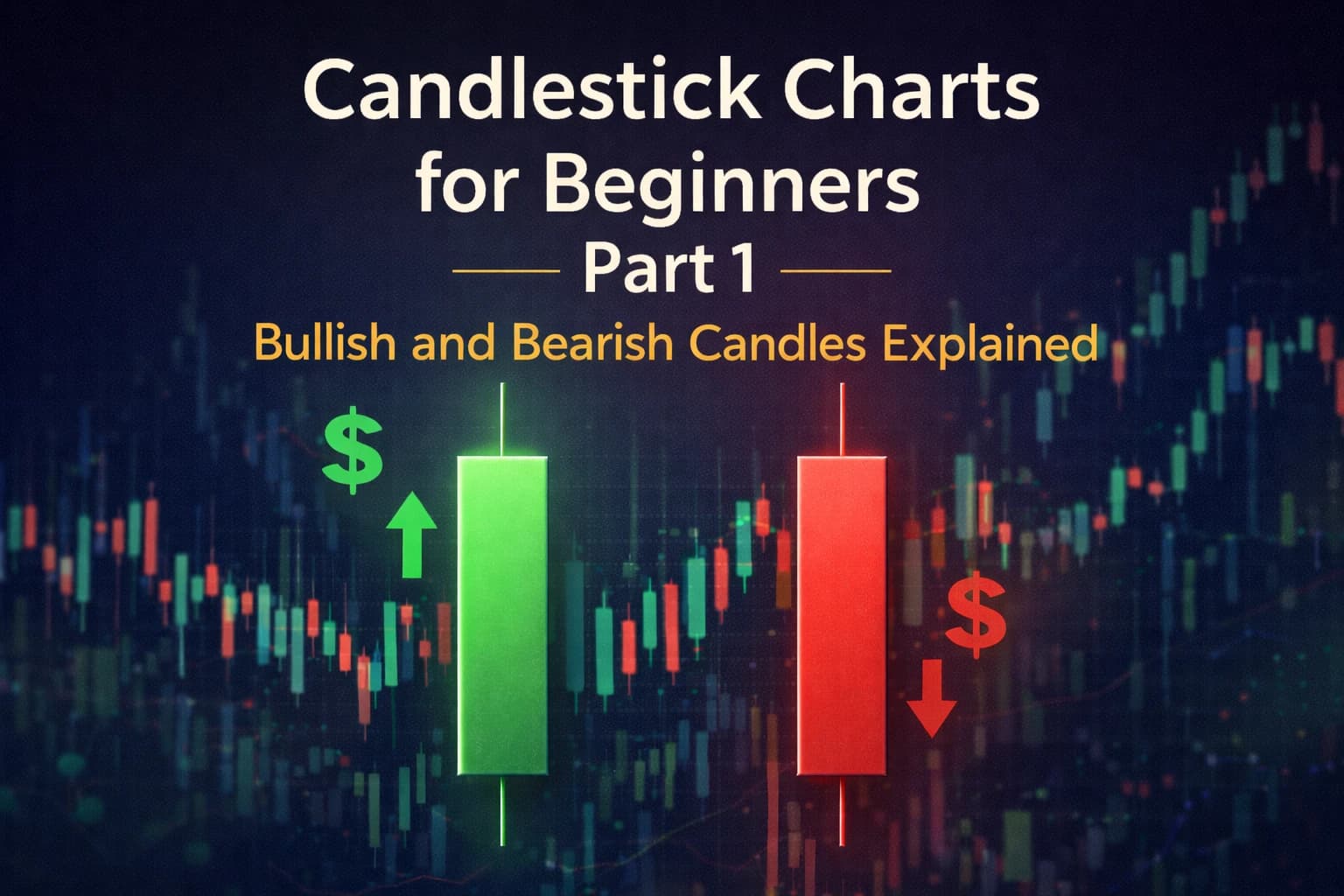
How to Read Candlestick Charts for Beginners: Bullish and Bearish Candles Explained (Chapter 8 – Part 1)
Learn the basics of candlestick charts in forex trading. This beginner-friendly chapter explains charts, candle structure, and the difference between bullish and bearish candles with simple examples.

Types of Candlesticks in Trading: Marubozu, Doji, Spinning Top and More — And Their Applications (Chapter 8 – Part 2)
Learn the most important candlestick types in trading, including Marubozu, Doji, Spinning Top, Paper Umbrella, and Shooting Star, and understand their real market applications.

Understanding Market Trends in Trading: Why Trend Analysis Matters -Chapter 9
Learn how to identify market trends in forex trading. Understand uptrend, downtrend, and sideways markets with simple examples and beginner-friendly explanations.

Support and Resistance in Forex Trading — How to Identify Key Price Levels (Chapter 10)
Learn how support and resistance levels work in forex trading and how traders identify key price zones where the market may pause, reverse, or break out. This beginner-friendly guide explains support resistance concepts, role reversal, and price action behavior in a simple and practical way.

Chapter 11: Essential Forex Trading Terms Every Beginner Should Know
Learn 25 essential forex trading terms every beginner should know, including stop loss, leverage, pip, market order, and risk–reward ratio explained simply.

Chapter 13: Understanding Volume in Forex Trading: A Beginner Guide to Tick Volume and Market Activity
Learn how volume works in forex trading, what tick volume means, and how the price-volume relationship helps traders understand market strength and participation.

Chapter 12: How to Take a Trade Using Trend, Support & Resistance and Candlestick Confirmation
Learn how to take a forex trade step-by-step using trend analysis, support and resistance, and candlestick confirmation with a real market example explained simply for beginners.

Chapter 14: Forex Technical Indicators Explained for Beginners: Types, Leading vs Lagging Indicators
This beginner guide explains forex technical indicators, including types of indicators, overlays, oscillators, and the difference between leading and lagging indicators in trading.

Chapter 15: Forex Reversal Candlestick Patterns Explained: Engulfing, Harami and Star Patterns for Beginners
Learn the most important multiple candlestick patterns in forex like engulfing, harami, and star patterns explained simply for beginners.
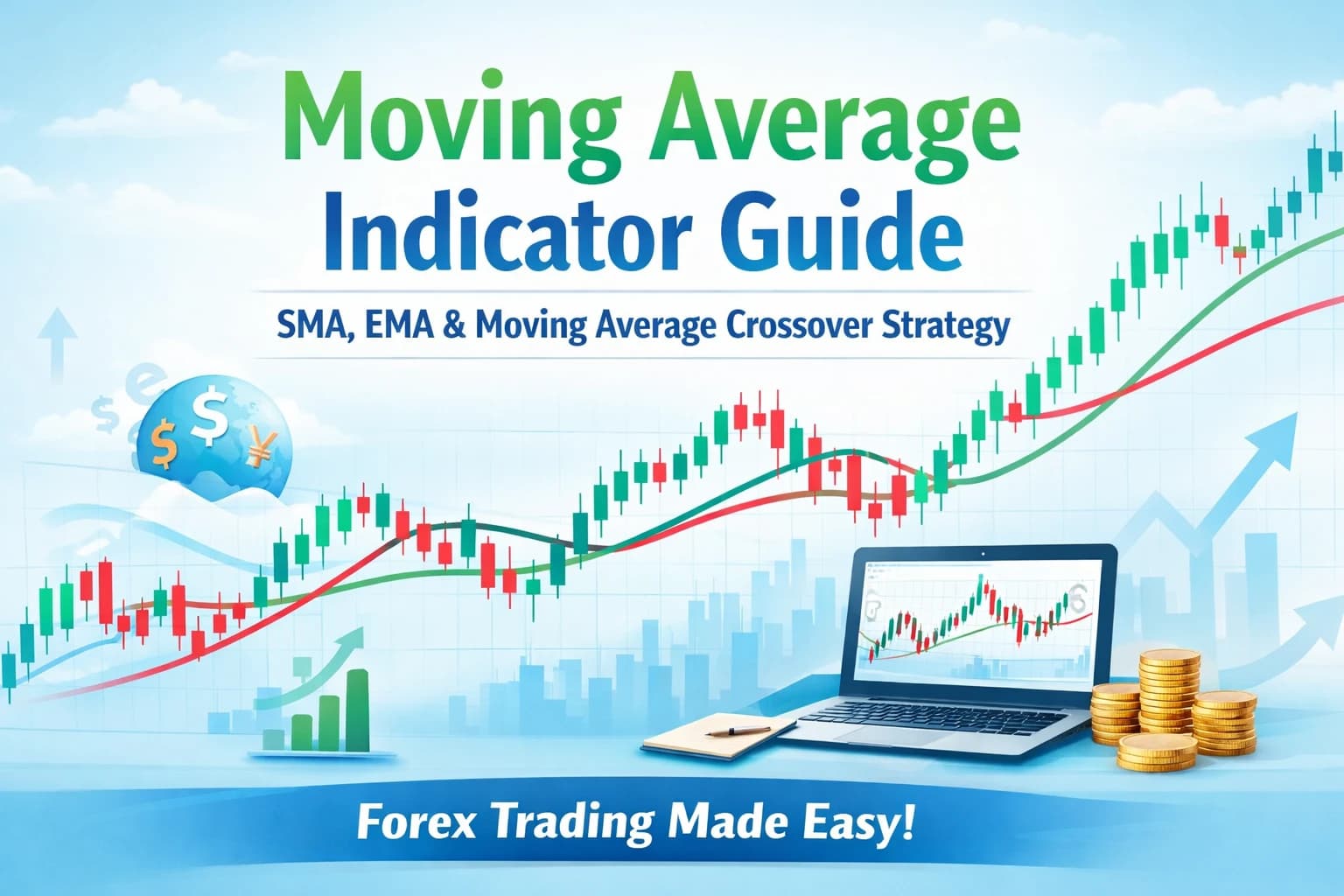
Chapter 16: Moving Average Indicator Guide: Understanding SMA, EMA and the Moving Average Crossover Strategy
This chapter explains how the moving average indicator works in forex trading, including the difference between Simple Moving Average (SMA) and Exponential Moving Average (EMA). You will also learn the moving average crossover strategy, how traders interpret crossovers, and how our custom TradingView indicator helps visualize these concepts for educational purposes.
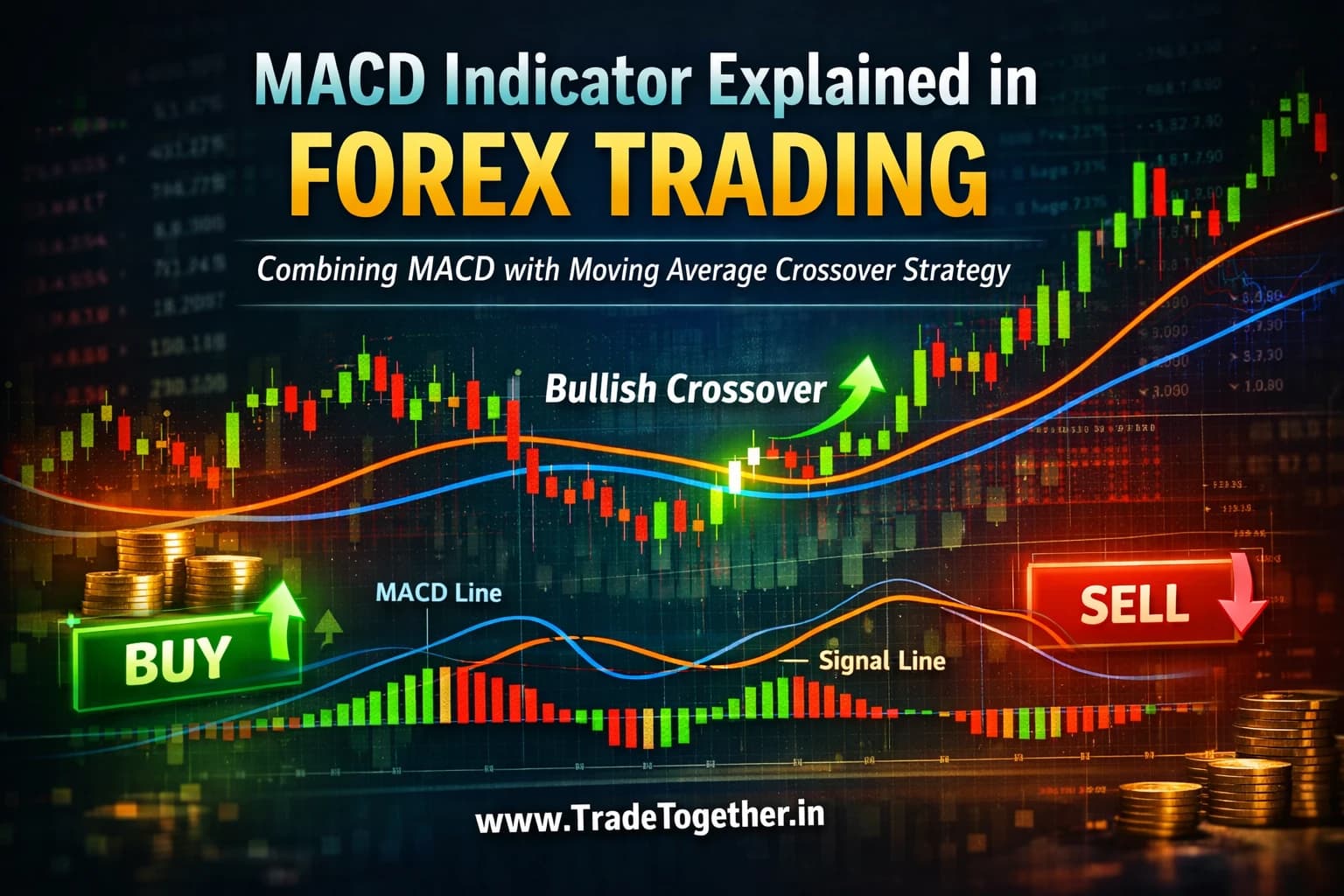
Chapter 17: MACD Indicator Explained in Forex Trading: Combining MACD with Moving Average Crossover Strategy
Learn how the MACD indicator works in forex trading and how combining it with a moving average crossover strategy can help traders better understand market momentum and trend confirmation. In this guide, we explain the MACD line, signal line, histogram, real chart examples, and why MACD sometimes gives false signals. Discover how traders combine leading indicators like MACD with lagging indicators like moving averages to improve analysis and trading clarity.
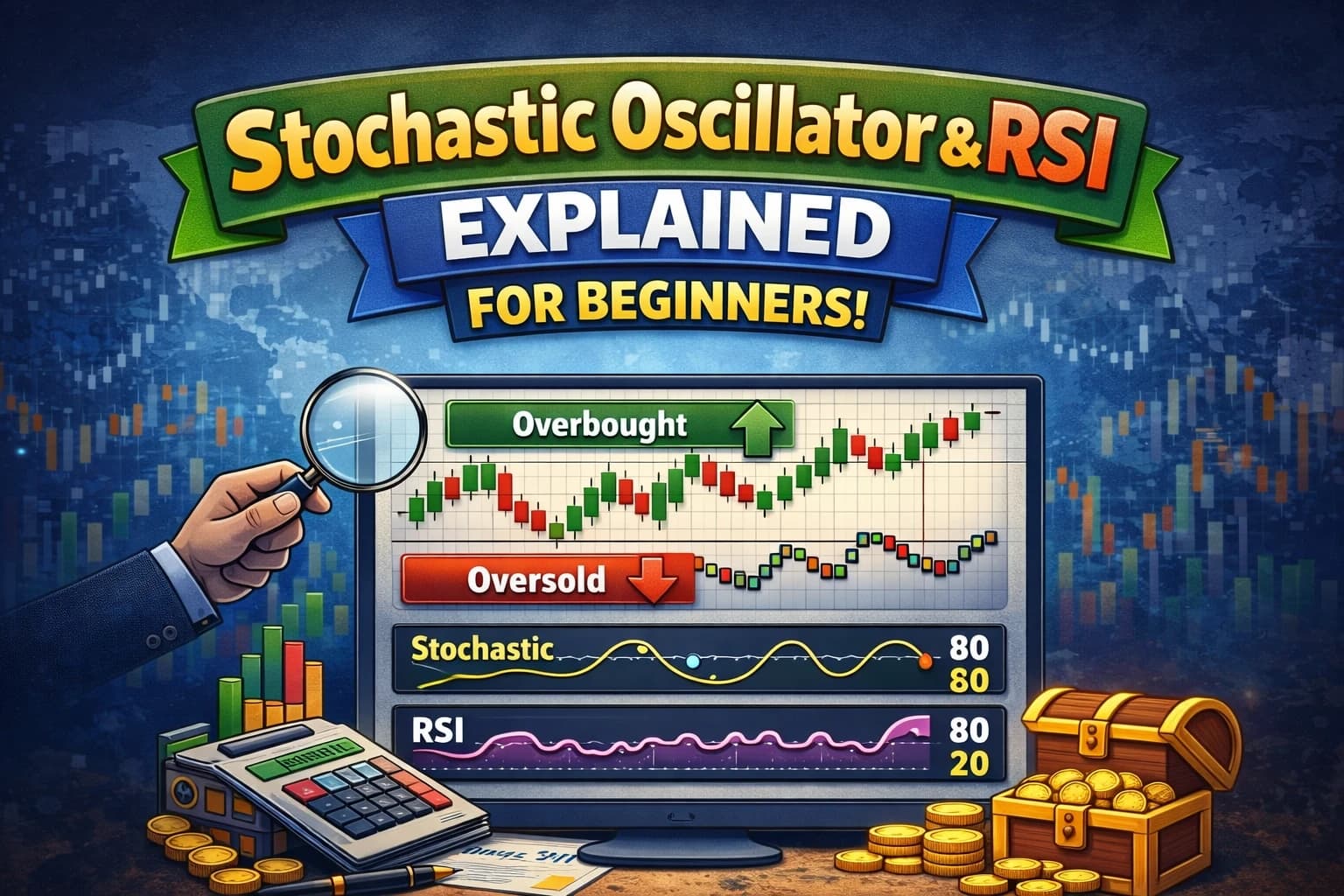
Chapter 18: Stochastic Oscillator and RSI Indicators in Forex Trading Explained
This guide explains how the Stochastic Oscillator and RSI indicators work in forex trading, including indicator settings, overbought and oversold zones, and practical chart examples for beginners.
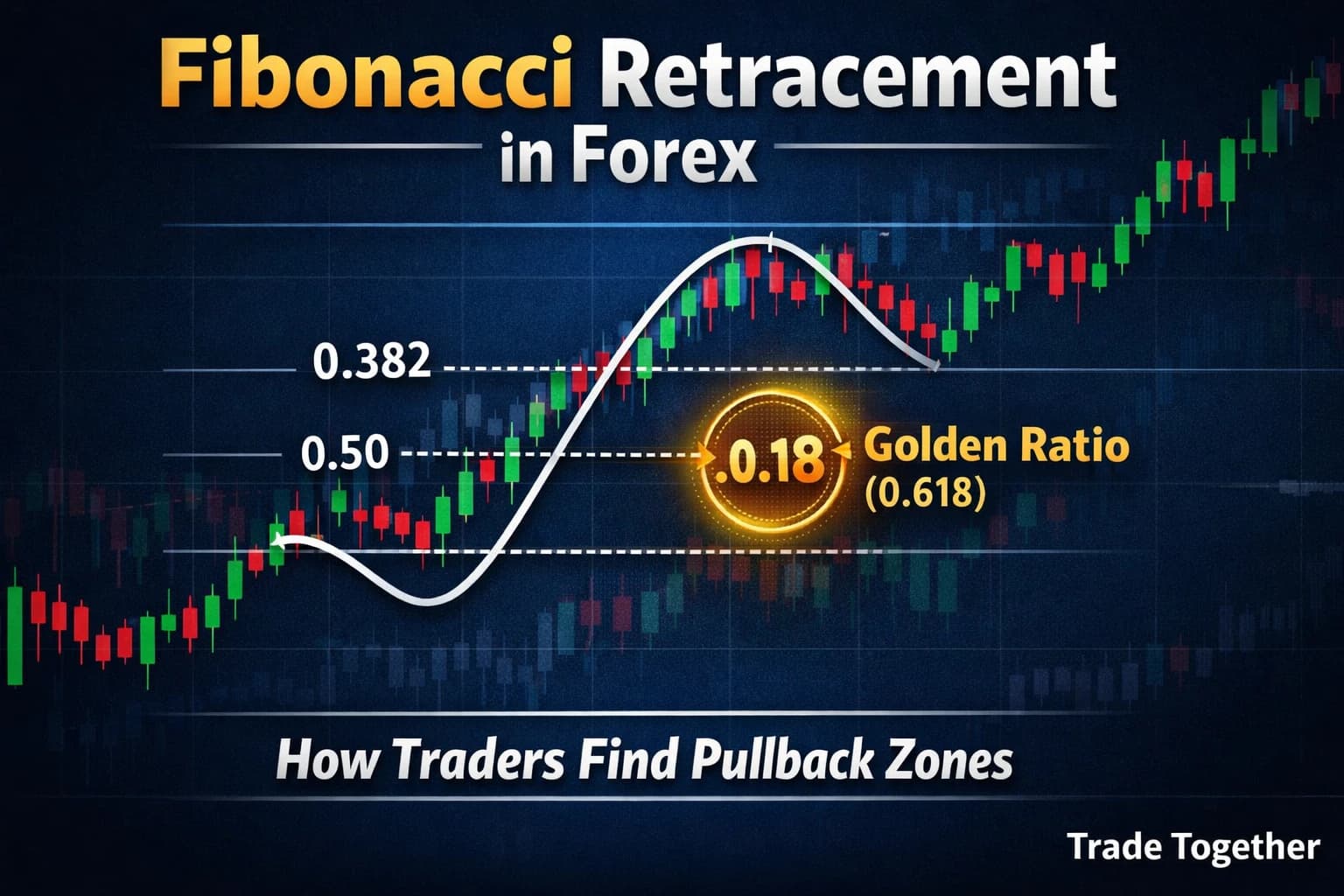
Chapter 19: Fibonacci Retracement Levels in Forex Trading Explained for Beginners
Learn how Fibonacci retracement works in forex trading, understand key levels like 0.382, 0.5, and 0.618, and see practical chart examples using real market scenarios.
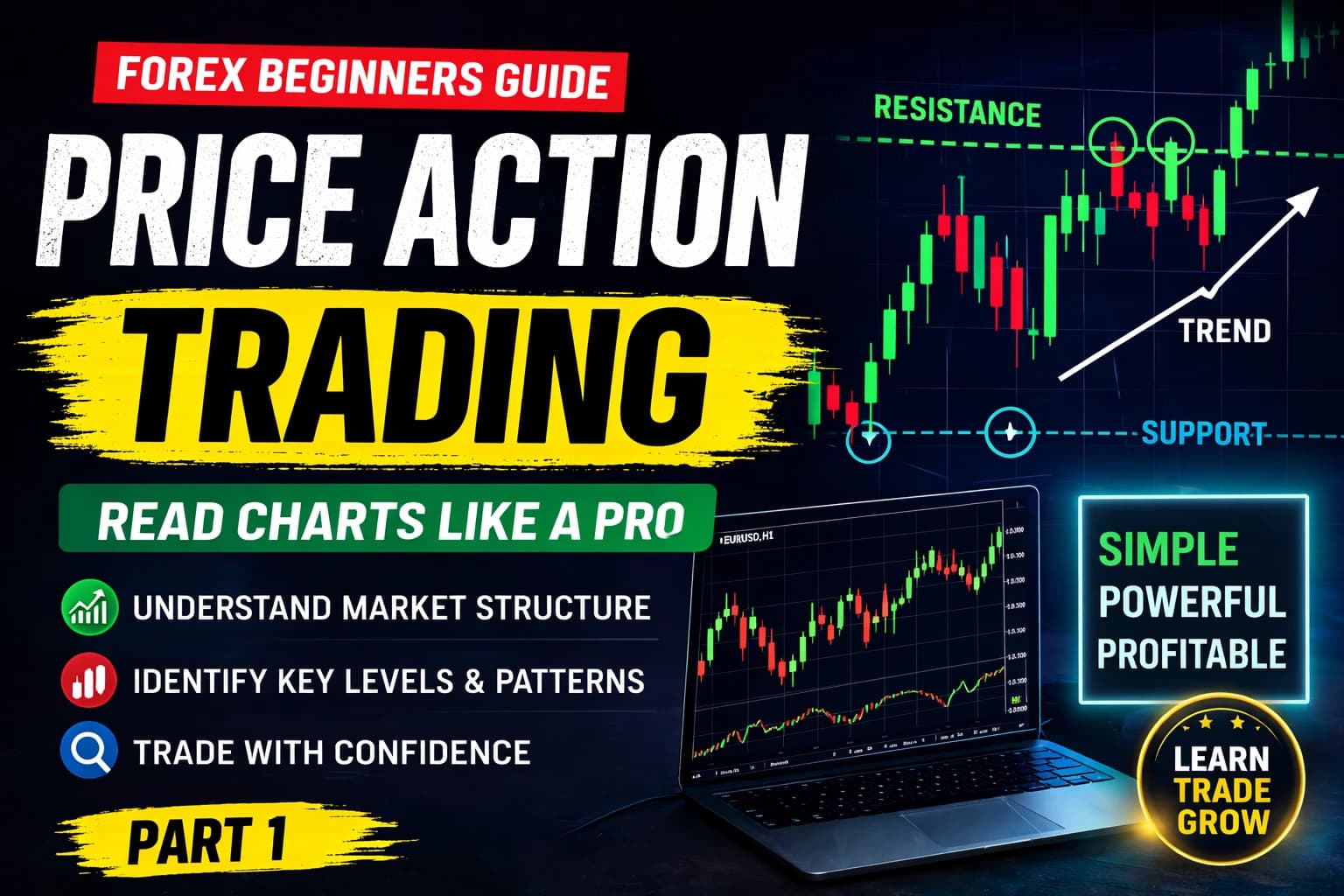
Chapter 20: Price Action Trading Explained for Forex Beginners (Chart Reading Guide) – Part 1
This beginner-friendly guide explains price action trading in forex, including market structure, breakout points, trend reversals, and chart patterns. Learn how traders analyze raw price movement instead of relying heavily on indicators. This chapter introduces the fundamentals of price action trading and prepares you to understand chart patterns in the next lesson.
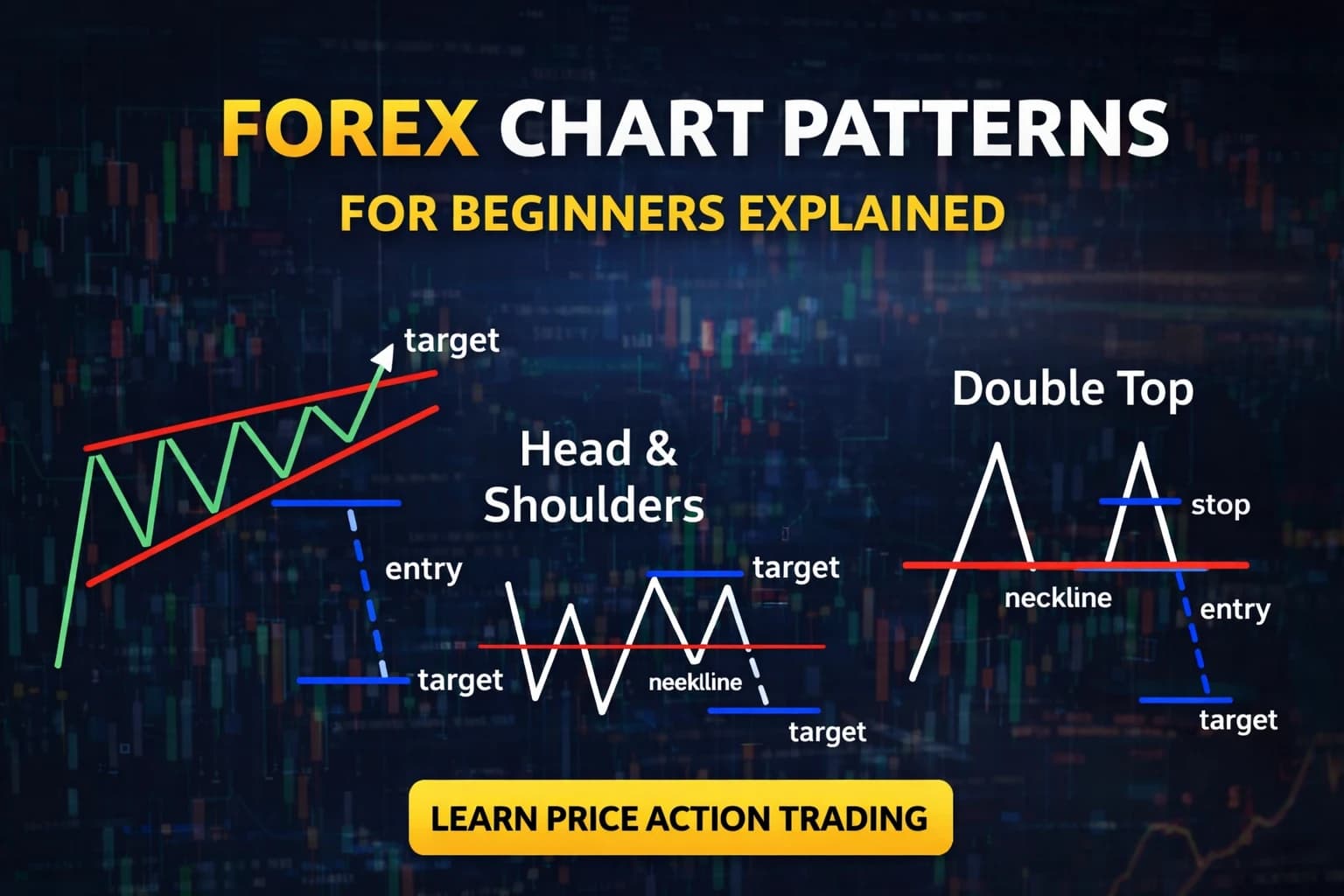
Chapter 20: Chart Patterns in Price Action Trading: Reversal Patterns Explained – Part 2
This guide explains the most important chart patterns used in price action trading, including triangle patterns, head and shoulders, double top, and wedge formations. Designed for forex beginners, this chapter helps traders understand how reversal patterns form and what they indicate about market behavior.
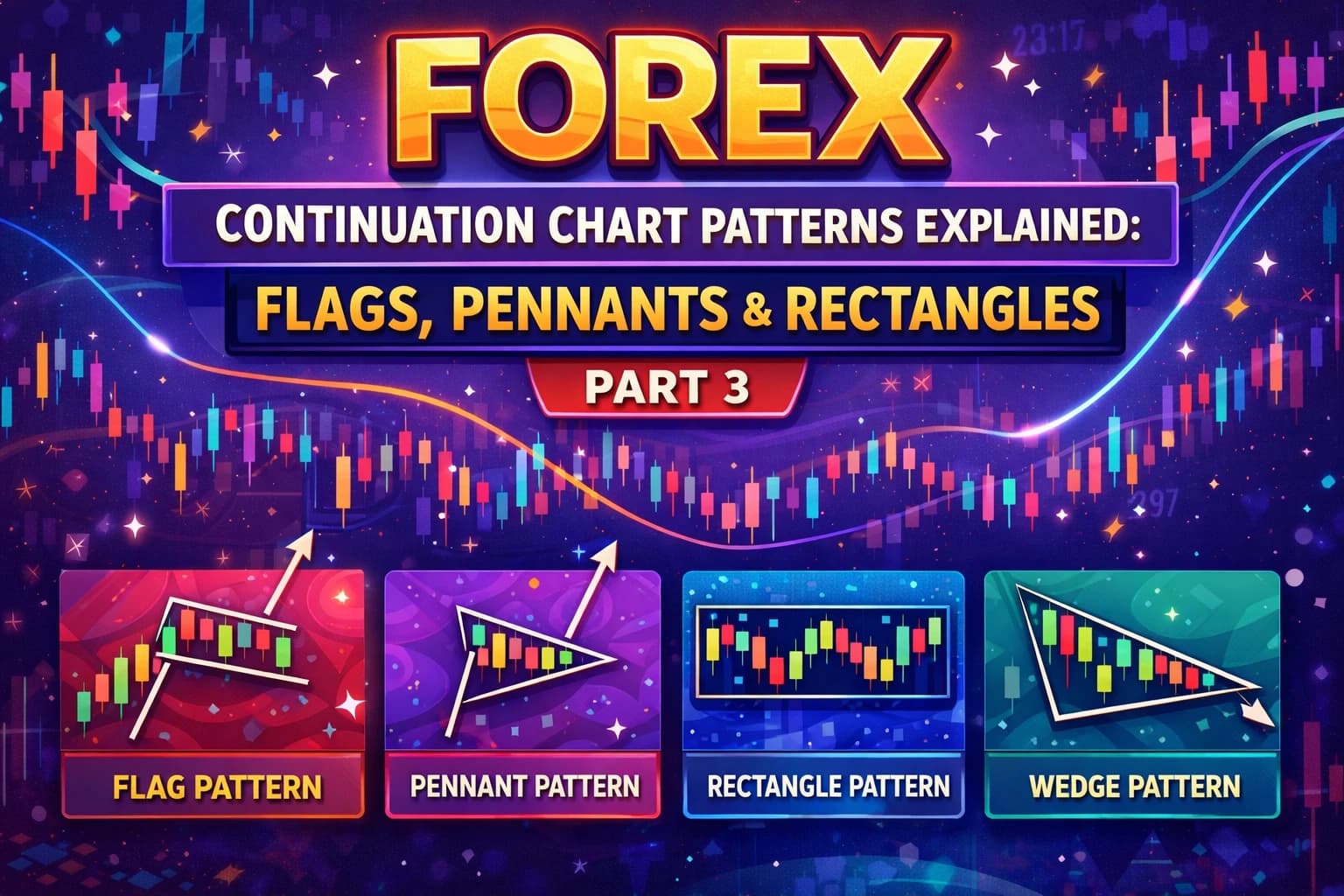
Chapter 20: Forex Continuation Chart Patterns Explained: Flags, Pennants and Rectangles – Part 3
This guide explains the most important continuation chart patterns used in price action trading, including rectangles, flags, pennants, and wedges. Learn how these patterns form during consolidation phases in trending markets and what they reveal about market structure, volatility, and trader psychology. Designed for forex beginners, this chapter helps you understand how trends often pause before continuing and how to recognize these patterns on real charts.
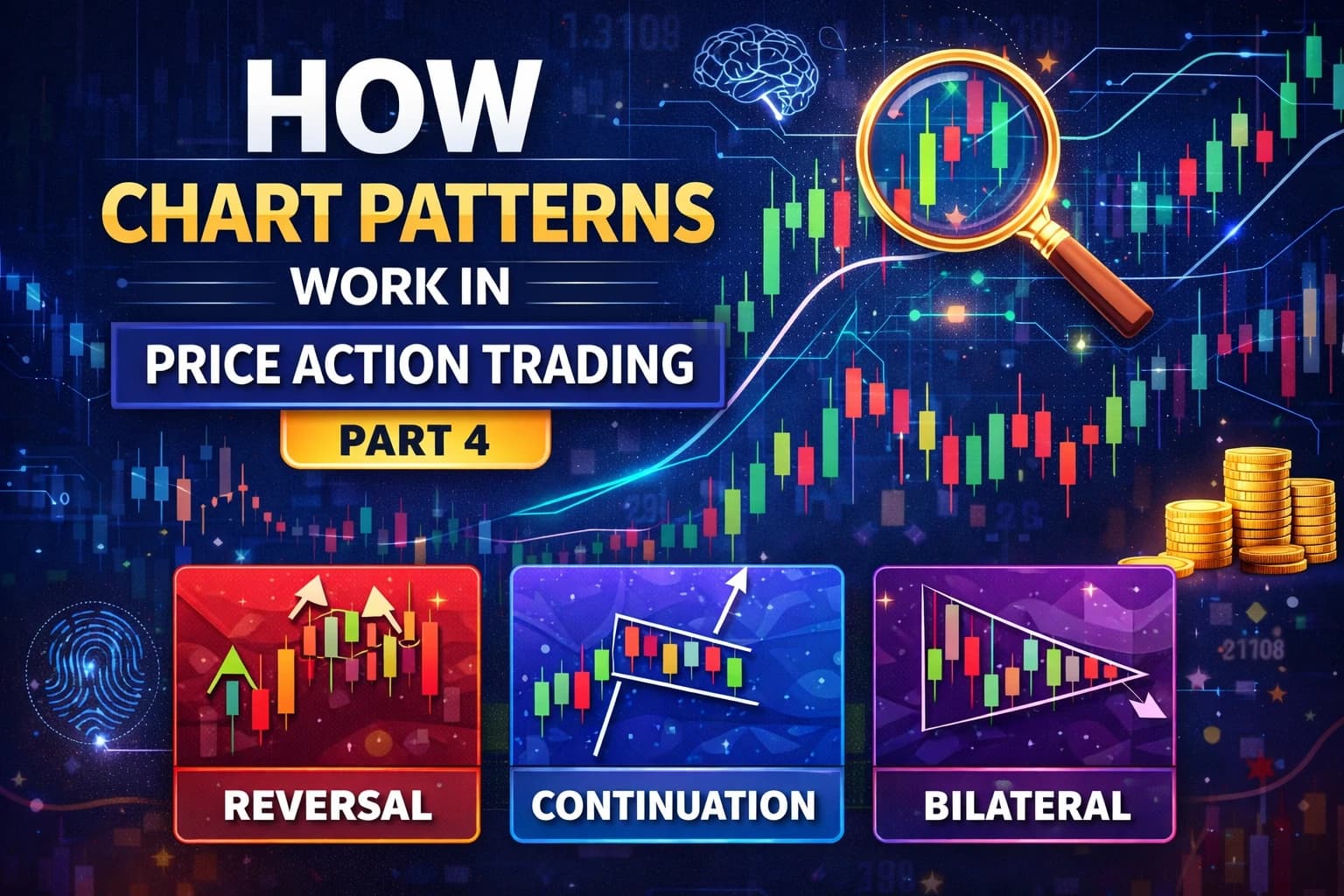
Chapter 20: How Chart Patterns Work in Price Action Trading – Part 4
This guide explains how chart patterns work in price action trading. Learn the role of consolidation, volatility behavior, and common mistakes traders make when analyzing forex chart patterns. Designed for beginners, this chapter helps traders understand the market logic behind reversal, continuation, and bilateral patterns.